Innovative printing technologies for environmentally conscious consumers
In recent years, awareness of ecological sustainability has increased significantly in Germany and worldwide. Particularly in the field of printing technology, innovative printing techniques have been developed that help environmentally conscious consumers make sustainable purchasing decisions. This article will comprehensively examine sustainable printing techniques, analyzing their environmental benefits, economic advantages, and impact on contemporary consumer behavior.
What are sustainable printing techniques?
Sustainable printing techniques refer to processes that use environmentally friendly materials and methods to reduce waste and minimize environmental impact. These include, among others:
- Ecological inksWater-based or plant-based inks that contain fewer harmful substances.
- Recycled paperPaper made from recycled materials, thus reducing deforestation.
- Energy-efficient printing processesTechnologies that consume less electricity, such as digital printing processes.
- Low-emission printersPrinters that emit fewer volatile organic compounds (VOCs) during use.
Advantages of sustainable printing techniques
The use of sustainable printing techniques brings numerous advantages, both for the environment and for businesses and consumers:
- environmental protection: Reduction of greenhouse gas emissions and waste.
- cost efficiency: Lower operating costs in the long term through the use of sustainable materials.
- Brand imageCompanies that implement environmentally friendly practices can stand out in a crowded market.
- Customer satisfactionMore and more consumers are placing value on sustainable products.
Current trends in printing technology
Several trends can be observed in the printing industry that have a positive impact on the environment:
1. Digital printing
Digital printing has gained popularity in recent years and is considered one of the most sustainable printing techniques. Its demand-driven production allows for efficient resource use. For example, digital printing requires less water and energy compared to traditional offset printing.
2. 3D printing
3D printing is revolutionizing many industries, including printing. This technology enables the production of objects from recyclable or biodegradable materials, significantly reducing the amount of waste.
3. Use of recycled materials
More and more printing companies are relying on materials sourced from reusable or recycled sources. This is particularly important as awareness grows about what happens to our waste.
4. Online printing services
Online printing services offer environmentally friendly options and are often able to process larger print runs more efficiently. Many of these companies use sustainable printing techniques and offer their customers eco-friendly alternatives to reduce their CO2 emissions.2-to reduce balance sheets.
How do you find the best offer for sustainable print products?
When searching for printed materials, consumers should consider the following factors:
- materialsCheck whether the materials used are environmentally friendly.
- transparency: Pay attention to whether the company provides clear information about its sustainability practices.
- certificationsLook for recognized environmental certificates that demonstrate sustainability.
- Customer experiencesRead reviews and testimonials from other customers.
Examples of sustainable printed products
There are many products on the market that use innovative, sustainable printing techniques. Examples include:
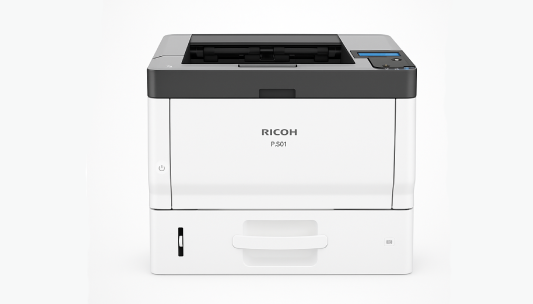
- Ricoh MFP color printerA used, environmentally friendly printer that works efficiently and sustainably.
- Ricoh Toner: A toner specifically designed for resource-saving use.
Case studies on sustainable printing techniques
To illustrate the advantages of sustainable printing techniques, let's take a look at some case studies:
Case Study 1: GreenPrint in Germany
GreenPrint is a company specializing in sustainable printing solutions. By implementing the aforementioned sustainable printing techniques, they were able to reduce their energy consumption by 301 TW and simultaneously significantly lower their paper consumption. These successes led to a substantial reduction in operating costs and an improved brand image, attracting an increasing number of environmentally conscious customers.
Case Study 2: The XYZ Printing Company
The XYZ printing company in Berlin has successfully switched to recycled paper and eco-friendly inks. This has allowed them not only to reduce their production costs but also their CO₂ emissions.2-Reduced emissions by 401 TP3T. This measure was well received by customers, and demand for their products increased by 201 TP3T in the first year after the changeover.
conclusion
With the ongoing development of printing technology, it is evident that sustainable printing techniques play a crucial role for environmentally conscious consumers. The integration of eco-friendly materials and methods not only extends the lifespan of printing resources but also significantly reduces their ecological footprint. By making informed purchasing decisions, consumers can actively contribute to environmental improvement while simultaneously benefiting from the advantages of modern printing technology.