Eco-innovative printing technologies for the modern home office: Ways to sustainably design your workspace
In today's world, more and more people are placing importance on sustainability, especially in the area of home offices. Given the global challenges associated with pollution and climate change, it is essential to integrate sustainable printing solutions into one's workspace. Sustainable printing solutions They are not only good for the planet, but also for your own efficiency and productivity. In this article, we will examine various eco-innovative printing technologies and show how these technologies can help create a sustainable home office.
What are sustainable printing solutions?
Sustainable printing solutions refer to environmentally friendly printing techniques and materials that aim to minimize the ecological impact of the printing process. Some of the key features of sustainable printing solutions are:
- use of recycled paper
- Energy-efficient printers
- Ecological inks and toners
- Lower material consumption
- Digital printing techniques for waste reduction
The importance of legal standards and certificates
The use of sustainable printing solutions It's not just a matter of good taste, but also a legal issue. Many countries have laws and regulations that require companies to implement environmentally friendly practices. Certificates such as... FSC Certifications such as the Forest Stewardship Council (FSC) or the Programme for the Endorsement of Forest Certification (PEFC) are indicators that guarantee consumers that products come from responsibly managed forests. These certifications are particularly important for companies that want to reduce their environmental footprint.
The best printing technologies for sustainable office design
Environmentally friendly printing technologies can significantly reduce resource consumption. Below are some of the most advanced printing technologies suitable for home offices.
1. Laser printers – Energy-efficient powerhouses
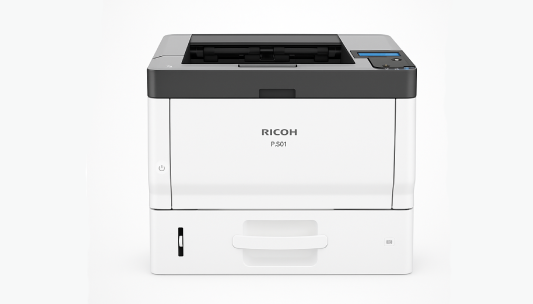
Modern laser printers use less energy and toner compared to conventional printers. One example of an environmentally friendly laser printer is the Ricoh P 501 Monochrome Laser PrinterIt offers various functions that not only optimize printing speed but also minimize energy consumption.
- Lower energy consumption thanks to the on/off function
- Use of recycled toner
- High print quality with low waste
2. Inkjet printers – The choice for creative applications
Inkjet printers are often cost- and material-efficient, especially when used with environmentally friendly inks. Using water-based inks is not only better for the planet, but also for your health, as they contain fewer harmful chemicals.
3. 3D printing – Innovative use of materials
3D printers often use bio-based materials that are biodegradable. This technology makes it possible to create products on demand, thus minimizing material waste. For a home office, a 3D printer can be used to produce office supplies or custom parts while conserving resources.
Sustainable materials for printing
An important aspect of sustainable printing solutions The key is selecting suitable materials. Choosing the right paper and ink can make a big difference in the environmental footprint.
Recycled paper
Recycled paper is an excellent alternative to conventional paper. It is made from previously used paper and requires less energy and resources to produce. Using recycled paper can reduce water consumption by up to 601 TW.
Biodegradable inks
The use of biodegradable inks is another way to implement sustainable printing solutions. These inks are based on natural raw materials and are free of harmful chemicals. Many companies now offer environmentally friendly inks that are compatible with various printing systems.
Digital printing – The path to the future
Digital printing transfers digital files directly onto the printing medium, eliminating the need for traditional printing plates. This not only reduces waste but also enables faster production. Legally compliant data can be printed in small quantities as needed, further increasing efficiency.
Advantages of sustainable office equipment
Choosing sustainable printing solutions offers numerous advantages. These include:
- Cost savings: Long-term savings can be achieved by using fewer raw materials and less energy.
- Improved productivity: Environmentally friendly technologies are often more efficient in their use of resources and offer higher print quality.
- Positive corporate image: Companies that focus on sustainability often enjoy a better public image.
Case study: A successful, sustainable home office
One example of a successful sustainable home office is the company “GreenWork”, which specializes in sustainable office products. By using recycled paper, eco-friendly inks, and energy-efficient printing technologies, they have not only reduced their electricity consumption by 401,000 TW, but also increased customer satisfaction through environmentally friendly products. The implementation of innovative printing technologies has also significantly reduced waste.
Additional tips for a sustainable home office
Integrating sustainable printing solutions into your home office is just the first step. Here are some additional tips to make your entire workspace more environmentally friendly:
- Focus on digital documentation and communication.
- Use reusable items instead of disposable products.
- Implement effective recycling schemes.
- Choose office equipment with a good energy efficiency label.
Conclusion
With the increasing demand for environmentally friendly solutions, the use of sustainable printing solutions It is becoming increasingly important. Thanks to innovative technologies and materials, everyone can contribute to creating a sustainable home office. The use of printers such as the Ricoh D014 9640 and other modern devices can not only help save resources, but also increase productivity.