The role of recycling and the circular economy in the German printing industry: Strategies for sustainable companies
In today's world, sustainability is becoming increasingly important in almost all industries. sustainable printing This plays a crucial role, as the printing sector has traditionally been associated with various environmental impacts. Recycling and the circular economy are key strategies for reducing waste and maximizing resource utilization. In this article, we will examine the implementation of these strategies in the German printing industry in detail.
Sustainability in the printing industry: An overview
The German printing industry has changed considerably in recent years. Many companies have recognized the need to integrate sustainable practices to reduce their environmental footprint. According to a study by the German Printing and Media Industries Federation (bvdm), 721,330 printing companies in Germany have already taken measures to make their production more environmentally friendly.
- Introduction of recycled papers
- Use of environmentally friendly printing inks
- Optimization of printing processes to increase resource efficiency
Recycling in the printing industry
Recycling is one of the most effective methods for reducing waste and reusing raw materials. In the printing industry, recycling includes not only the return of paper but also the reuse of inks and printing inks. Here are some important aspects:
- Paper recycling: Paper is the main component of print production. Germany achieves a recycling rate of over 801 TP3T for waste paper, with many printing companies actively promoting this figure.
- Ink recycling: Some companies have started reprocessing used inks to minimize environmental impact.
- Printing plate recycling: Innovative techniques enable the recycling of printing plates, which significantly reduces the amount of waste.
Circular economy: A sustainable business model
The circular economy is an integrated approach that aims to keep resources in a closed loop. In the printing industry, it promotes the reusability of materials and leads to a reduction in resource consumption.
Implementing a circular economy requires close collaboration between printing companies, suppliers, and customers. Some key strategies include:
- Design for Recycling: Design products so that they can be more easily recycled at the end of their life cycle.
- Resource sharing: Sharing parts of printing systems and equipment to extend the lifespan of products.
- Sustainable supply chains: Selecting suppliers who are also committed to sustainability is crucial for success.
One example of a company that successfully implements these principles is the printing company WERK2 in Leipzig. They have implemented a comprehensive recycling program which has significantly reduced the amount of waste.
Technological innovations to support a sustainable printing industry
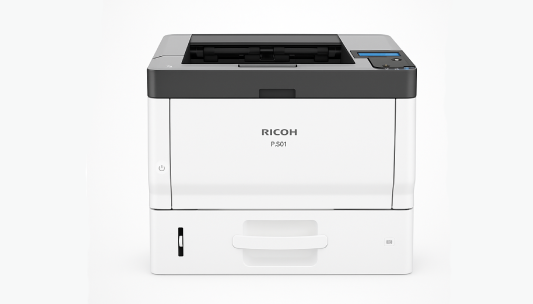
Technology plays a crucial role in promoting recycling and a circular economy in the printing industry. Modern printers, such as the Ricoh Aficio MP 502, are equipped with numerous features that increase efficiency and reduce paper consumption.
Some of the innovative features that contribute to sustainability are:
- Digital printing technologies: Reduce material waste through more precise printing processes.
- Energy efficiency: The latest printing technologies consume less energy during the printing process.
- Printing on recycled paper: The ability to use recycled materials directly is a big step towards sustainable printing.
The role of customers in sustainable printing
Consumers also play a crucial role in sustainable printing. Through their purchasing decisions, they can promote sustainable practices and encourage companies to operate in an environmentally friendly manner. The demand for sustainable printing This forces printing companies to adapt their processes and rethink their strategies.
A good approach is to use FSC-certified paper, which means that the wood used comes from sustainably managed forests. Companies should communicate openly about the sustainability measures they are taking and actively involve their customers in the process.
Advantages of sustainable printing
Integrating sustainable practices into the printing industry offers numerous advantages:
- Cost savings: By optimizing processes and reducing waste, printing companies can achieve significant savings.
- Competitive advantage: Companies that promote environmentally friendly practices stand out from the competition and gain customer loyalty.
- Positive brand perception: Customers are increasingly identifying with brands that take responsibility for the environment.
Conclusion: The path to a sustainable printing industry
The integration of recycling and the circular economy in the German printing industry is more than just a passing fad; it is a necessity. Companies must actively work to optimize their processes and find innovative solutions to meet environmental challenges. Products such as the Ricoh Toner MP C2551 Cyan These are just examples of how technology can help achieve these goals.
Creating a sustainable printing industry requires a joint effort from all stakeholders – from manufacturers and printers to end users. Only through collaboration and a commitment to an environmentally friendly future can real change be achieved.