Innovative solutions for sustainable office ergonomics: Trends and recommendations for a healthy working environment in Germany
The topic of office ergonomics is gaining increasing importance, especially given the rising number of hours employees spend in office positions. Innovative solutions are needed to ensure the long-term health of employees and create more efficient working conditions. Several trends have emerged in Germany that make a significant contribution to improving office ergonomics. These trends, along with practical recommendations for a healthy work environment, are presented below.
The current state of office ergonomics
Office ergonomics trends in Germany show that many companies have recognized the importance of a healthy work environment. According to a study by the German Institute for Standardization (DIN), employees spend an average of 8 to 10 hours a day at their workplace. This has an impact on physical health, particularly regarding back problems, eye strain, and stress. Employers are therefore challenged to find creative solutions to improve workplace ergonomics.
The influence of ergonomic furniture
Ergonomic furniture is the fundamental element of effective office ergonomics. This includes:
- Ergonomic desks
- Ergonomic chairs
- Sit-stand workstations
In recent years, the trend towards height-adjustable desks has become increasingly prevalent, allowing employees to alternate between sitting and standing. A study by Haufe shows that productivity increases and fatigue decreases when employees regularly change their position. Combined with an ergonomic chair that supports the spine, this significantly reduces physical strain.
Technological innovations for office ergonomics
The integration of modern technologies is a significant aspect of current office ergonomics trends. Tools such as:
- Collaborative software
- Virtual reality for ergonomic training
- Health monitoring apps
to help improve ergonomics in the office. One example is the use of VR technology in companies to offer employees immersive training on proper sitting and ergonomic working. This innovative method has shown that employees learn better through hands-on experience.
The Role of Lighting
Lighting plays a fundamental role in office ergonomics. Good lighting can increase productivity and concentration, while poor lighting leads to fatigue and eye strain. Here are some recommendations:
- Use of daylight lamps
- Adjustable desk lamps
- Modern LED technology
A study by the Institute for Applied Work Science shows that proper lighting can reduce the error rate at work by up to 301%. Companies should therefore invest in high-quality lighting systems.
Strategies for stress reduction
Stress reduction is also a crucial factor for office ergonomics. Recommended strategies include:
- Regular breaks
- Mindfulness training
- Flexible working hours
Implementing stress management programs can increase employee satisfaction and reduce turnover. One example is the "Flexible Working" initiative, which various companies in Germany have implemented. These programs allow employees to adjust their working hours to accommodate their personal commitments.
Sustainability in office design
Another important trend in office ergonomics is the focus on sustainable solutions. These include:
- use of recyclable materials
- Sustainable furniture
- Energy-efficient technologies
The company "Arper," for example, has taken the initiative to manufacture office furniture from sustainable materials. These practical approaches to sustainability not only promote a healthy working environment but also contribute to the companies' environmental responsibility.
case studies of successful implementations
To illustrate the importance of ergonomic solutions, some successful case studies are presented here:
- Deutsche Bahn: Implementation of ergonomic workplaces led to a reduction in sick leave by 20% within two years.
- Allianz Insurance: Introduction of flexible working time models and ergonomic furniture, which significantly increased employee satisfaction.
- The Otto Group: Integration of modern stress reduction technologies has increased productivity by 15%.
These case studies show that companies that actively invest in office ergonomics not only promote the health of their employees, but also gain economic advantages.
Tips for the right printing technology in the office
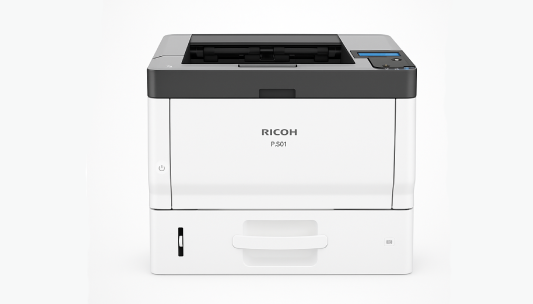
Another aspect of a healthy work environment is the efficiency of printing technology. High-quality printers play a crucial role in office organization. Factors to consider when choosing a printer include:
- Energy efficiency: Printers that consume less electricity are both more environmentally friendly and more cost-effective.
- Ease of maintenance: Devices that are easy to maintain help to minimize downtime.
- Quality of expression: Clarity and sharpness are essential for professional documents.
An outstanding example of an efficient printer is the MFP color printer Ricoh IM 2702, which was specifically designed for office environments. With its high energy efficiency and user-friendliness, it is an ideal choice for all companies that value quality and sustainability.
The time for change: Conclusion and outlook
Current office ergonomics trends offer diverse approaches for companies to create a healthy work environment. By using ergonomic furniture, modern technologies, and sustainable practices, companies can not only promote the health and well-being of their employees but also increase productivity. Furthermore, it is important to continuously evaluate the work environment and adapt it to new developments and technologies. The future of office ergonomics lies in innovation and collaboration between employers, employees, and experts to find the best possible solutions.
Additionally, companies should pay attention to the choice of printing technology, as this also influences the office experience. Products such as the Original Ricoh Toner MP C2551 Ensure professional printing results and support efficient everyday office life.