Environmentally friendly printing in the home office: Innovative materials and techniques for sustainable results
In times when the question of sustainability is gaining increasing importance, this plays a crucial role. sustainable printing at home Printing plays a central role in the modern home office. More and more people are choosing to produce their own printed materials, which offers both financial and environmental advantages. However, not all printing techniques are created equal when it comes to environmental friendliness. In this article, we will present innovative materials and techniques that lead to sustainable printing results while simultaneously reducing the burden on our environment.
The importance of environmental friendliness in printing
The use of conventional printed materials can have significant negative impacts on the environment. According to the World Wildlife Fund, the paper industry is estimated to be responsible for more than 40 million tons of global deforestation. Furthermore, the chemicals used in the production of printer paper contribute to pollution. However, switching to environmentally friendly printing can make a substantial contribution to reducing these negative effects.
Innovative materials for environmentally friendly printing
To ensure a sustainable printing process, the materials used are crucial. The choice of printing paper, ink, and other consumables has a direct impact on the environmental footprint. Some of the most innovative materials are:
- Recycled paper: Recycled paper is made from previously used paper and offers an excellent environmental alternative. It reduces energy consumption by up to 30% compared to producing virgin paper.
- Sustainable inks: Eco-friendly inks based on water or vegetable oils are less harmful to the environment than conventional solvents. These inks offer comparable print quality but have a significantly smaller carbon footprint.
- Biodegradable paper: This paper is made from organic materials and decomposes after disposal without leaving any harmful residue.
Techniques for sustainable printing at home
Choosing the right printing technology also plays a crucial role in sustainable printing at homeHere are some approaches you can use in your home office:
- Double-sided printing: Use your printer's duplex printing function to save paper.
- Use template: Create templates for frequently used documents to reduce printing needs.
- Digital documents: Avoid printing wherever possible and prefer electronic documents.
The right printer for sustainable printing
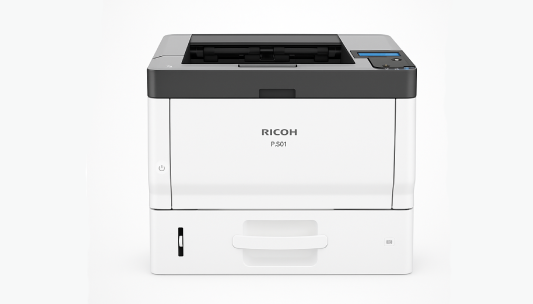
An environmentally friendly printing process begins with choosing the right printer. High-quality models offer numerous features that... sustainable printing at home support. Among the many options, the following stands out: Ricoh Aficio SP 3600DN This printer stands out. It is ideal for the home office because it is energy-efficient and delivers excellent print quality.
Another important aspect is the use of sustainable consumables. Ricoh Toner MP C5501, which is available in various colors, helps to ensure a high-quality print output while also focusing on sustainability.
Real-world case studies: Companies and their sustainable printing projects
To illustrate the practical benefits and implementation of sustainable printing in practice, let's look at some examples:
- Company X: This company switched to recycled paper and reduced its paper consumption by 40 % within one year.
- Company Y: Following the introduction of environmentally friendly inks, the company significantly improved its CO2 balance and was awarded the ECO-Audit certificate.
Benefits of sustainable printing for your home office
Besides the ecological advantages, there are many other reasons why sustainable printing is beneficial in the home office:
- Cost savings: By reducing paper and ink consumption, you can significantly lower your office costs.
- Increased efficiency: Clear templates and targeted paper management lead to more efficient workflows.
- Positive corporate identity: A sustainable approach can strengthen a company's image and attract new customers.
The role of digitization in sustainable printing
Digital transformation offers new opportunities to minimize printing needs. Here are some approaches to using digital tools:
- Cloud-based document management: Create and store documents online to minimize physical printing.
- E-learning and digital training: Reduce your reliance on printed training materials and rely on digital formats.
- Collaboration tools: Use platforms like Microsoft Teams or Google Workspace to collaboratively edit documents and minimize printing.
Future outlook: Trends in sustainable printing
The future of printing is constantly evolving, with innovative technologies that help improve sustainability. Current trends include:
- 3D printing: This technology makes it possible to manufacture products with minimal material consumption and to reduce waste.
- Smart Printing: Printers that automatically adjust their consumption can further minimize the ecological footprint.
- Sustainable supply chains: Companies that rely on local production facilities reduce CO2 emissions from transportation.
Conclusion: The path to environmentally friendly printing in the home office
Implementing sustainable printing in your home office is a smart decision that offers both ecological and economic benefits. By using innovative materials and techniques, you can not only reduce your own environmental footprint but also have a positive impact on the environment as a whole. Consider how you can integrate these technologies and materials into your home office to create an eco-friendly work environment.
For more information about environmentally friendly printers and accessories, please see our other articles in our section "The best printers for home and office".
In summary, it can be said that through the sustainable printing at home Not only will your own costs decrease, but you can also actively contribute to improving the environment. Choosing the right materials and techniques is key to a successful and environmentally conscious printing experience.