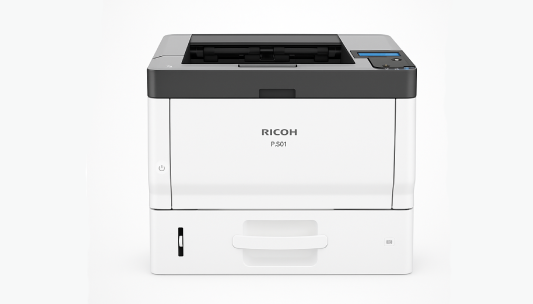
Future-oriented printing technologies for the home office: Innovative approaches to increasing efficiency and environmental awareness
Working from home has become increasingly important in recent years, particularly in the wake of the global wave of digitalization. One of the challenges arising from this development is the need for efficient and sustainable printing solutions. The integration of sustainable printing solutions for home office Our approach to work is not just a matter of efficiency, but also an environmentally conscious decision that has a positive impact on our environment. In this article, we will examine various forward-looking printing technologies that increase efficiency while also being environmentally friendly.
The need for sustainable printing solutions
In a time when businesses and individuals are increasingly focusing on environmentally friendly practices, it's important to consider printing technology. According to a study by Grand View Research, the market for eco-friendly printing solutions is expected to reach $250 billion by 2025. Here are some reasons why. sustainable printing solutions for home office essential are:
- Resource conservation: Using sustainable materials and printing processes can save resources.
- Waste reduction: Environmentally friendly printing techniques minimize the waste resulting from conventional printing methods.
- Cost savings: In the long term, companies can save costs by using sustainable practices.
Innovative printing technologies for the home office
Some of the most innovative printing technologies are specifically designed to meet the demands of working from home. These include technologies such as 3D printing, digital printing, and print-on-demand. These technologies are not only efficient but also contribute to promoting sustainability.
3D printing in the home office
3D printing has the potential to revolutionize the way products are manufactured. In the context of working from home, 3D printing enables the cost-effective and efficient production of prototypes and customized solutions. Companies such as Ricoh They offer devices that combine both 3D printing and conventional printing solutions. Here are some advantages:
- Individualization: 3D printing makes it possible to create products according to specific requirements.
- Less material waste: Precise printing minimizes material waste.
- Speed: Prototypes can be created within a few hours.
Digital printing: Efficiency and flexibility
Digital printing is another outstanding technology that is ideally suited for the home office. This printing method uses digital files to produce prints, which offers significant advantages:
- Flexibility: Users can print small print runs or even single items without high upfront costs.
- Speed: Digital printing processes are generally faster than traditional printing methods.
- Environmentally friendly: Many digital printers use less energy and more environmentally friendly inks and materials.
For companies that want to use this technology, we offer Ricoh printers Excellent opportunities to make environmentally conscious printing decisions.
Smart Printing: The combination of printing and digital technology
The combination of printing technologies and digital solutions has led to the development of Smart Printing. Smart Printing uses cloud-based systems and IoT (Internet of Things) to optimize the printing process. Here are some advantages of these technologies:
- Cost management: Companies can better monitor printing costs through cloud-based analytics.
- Automation: Print jobs can be automatically scheduled based on current needs.
- Integration: Smart printing systems can be seamlessly integrated into existing IT infrastructures.
Environmental awareness in the printing process
Another important aspect of modern printing technology is the increasing environmental awareness. The printing process can be made more environmentally friendly in various ways:
- Sustainable materials: The use of recycled paper and environmentally friendly inks is essential.
- Energy efficient printers: Many modern printers are highly energy-efficient and significantly reduce power consumption.
- Collective print: Printing multiple documents at once can save resources and reduce printing time.
Case studies: Successful implementations
To illustrate the impact of sustainable printing solutions, we will look at some real-world case studies:
Case Study 1: Company A
Company A has invested in a sustainable printing solution that uses digital printing technology and plant-based inks. By implementing this technology, the company was able to:
- Reduce printing costs by 30%.
- Reduce paper consumption by 40%.
- Increase customer satisfaction through personalized printing solutions.
Case Study 2: Company B
A small start-up implemented a 3D printing solution for prototype development. This enabled the company to:
- To respond quickly to market needs.
- To reduce production costs by up to 50%.
- To significantly reduce waste production.
The future of printing technologies in the home office
The future of printing technologies in the home office will continue to be shaped by innovation and sustainability. Constantly emerging new technologies will revolutionize the way we print. The focus on sustainable printing solutions for home office is becoming increasingly important as more and more companies and individuals make environmentally conscious decisions.
The continuous development of technologies such as artificial intelligence and machine learning will also make the printing process more efficient and environmentally friendly. These technologies enable better prediction of printing needs, which in turn reduces waste and saves resources.
Tips for choosing the right printing solution for your home office
Several factors should be considered when choosing the right printing solution for the home office:
- Budget: Determine how much you are willing to invest. In addition to the purchase price, also consider the operating costs.
- print volume: Consider how much you need to print – as a result, a high-speed printer or a multifunction device may be useful.
- Functionality: Choose a printer that meets your specific requirements, e.g. scanning, copying or faxing.
- Sustainability: Make sure the printing solution is environmentally friendly and avoids potential risks. sustainable printing solutions for home office supports.
Conclusion
Choosing the right printing technology for your home office can be crucial for the efficiency and environmental friendliness of your work. From 3D printing and digital printing to smart printing, innovative approaches offer numerous opportunities to improve the printing experience. By implementing sustainable printing solutions for home office Companies can not only reduce their costs, but also make an important contribution to environmental awareness.