Digital transformation in IT services: Innovative approaches for sustainable efficiency improvements in German companies
Digital transformation has become a central component of business strategy in German companies. This transformation plays a particularly crucial role in the IT services sector when it comes to... efficient IT transformation to achieve this. In this article, we examine innovative approaches that help companies sustainably increase their efficiency and offer concrete recommendations for action as well as relevant case studies.
The current state of digital transformation in Germany
In Germany, many companies have begun integrating digital technologies into their business processes. According to a study by Bitkom, 701,030 of the surveyed companies stated that they intend to invest in digital technologies over the next five years. These investments aim to increase efficiency and reduce costs.
Key technologies that play a role here are cloud computing, artificial intelligence (AI), and the Internet of Things (IoT). Each of these elements contributes to... efficient IT transformation by enabling better data management, faster response times, and automated processes. Studies show that companies investing in digital transformation operate, on average, 301 times more efficiently.
The role of the cloud in IT services
Cloud solutions offer companies the flexibility and scalability they need to remain competitive in a constantly changing market. By using cloud services, companies can optimize their IT infrastructure while simultaneously reducing costs. Benefits include:
- cost reduction: Companies only pay for the resources they actually use.
- Scalability: Resources can be quickly and easily adjusted to meet the needs of the company.
- Flexibility: Employees can access company data from anywhere, which increases productivity.
One example of a successful integration of cloud technologies is Deutsche Telekom, which has moved its services to the cloud to increase efficiency and reduce operating costs.
Artificial intelligence as a driver of efficiency
Artificial intelligence is revolutionizing IT services by automating processes and promoting data-driven decisions. Machine learning and AI-powered algorithms can, for example:
- Making predictions about hardware failures,
- Prioritize support requests and
- Optimize maintenance work.
Companies like Siemens are successfully using AI to significantly reduce their operating costs. The implementation of AI in their processes has led to efficiency gains of up to 251,000 units.
The Internet of Things and its impact on IT services
The Internet of Things enables devices to communicate with each other and exchange data in real time. This networking offers significant advantages:
- Improved data usage: Companies can gain valuable insights by analyzing data from different devices.
- Proactive maintenance: IoT devices can identify potential problems before they lead to costly failures.
- Resource optimization: Energy consumption and other operating costs can be optimized.
A concrete example is the implementation of IoT technologies in industrial manufacturing, which enables companies to significantly improve their production processes.
Process optimization through digital transformation
To achieve sustainable efficiency gains, it is important to analyze and optimize operational processes. Various methods and techniques can provide support in this regard:
- Lean Management: Eliminating waste and improving added value.
- Agile methods: Faster response to market changes and better adaptability.
- Automation: Automate processes to save resources and reduce errors.
The continuous improvement of processes is a cornerstone of efficient IT transformation and helps companies to remain competitive.
Case study: Successful digital transformation of a German company
A prime example of digital transformation is the case study of Bosch. By implementing the latest technology solutions, Bosch was able to reduce its production costs by 20% and significantly increase efficiency through automation and data analysis.
Bosch relied on a combination of cloud solutions and IoT technologies to fundamentally improve both production processes and customer service. This transformation results in faster customer service and smoother production line operation thanks to predictive maintenance.
Challenges of digital transformation
Despite the many advantages offered by digital transformation, companies face various challenges:
- Resistance to change: Many employees are skeptical of new technologies and processes.
- Shortage of skilled workers: The need for well-trained employees who can handle new technologies is growing.
- Data security: Digitization significantly increases the risk of cyberattacks.
Targeted employee training and investments in security solutions are crucial to overcoming these challenges.
Integrating hardware into digital transformation
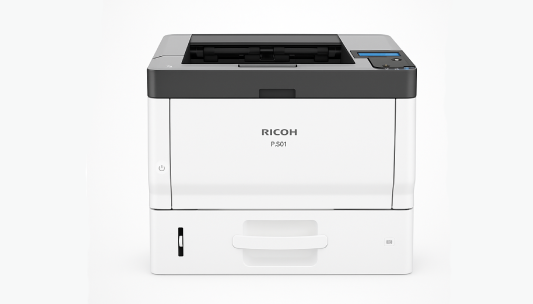
Digital transformation encompasses not only software solutions but also the integration of physical hardware. For example, multifunction printers like the Ricoh MP C3504 This will help boost efficiency in document management. Automated printing processes and improved document distribution enable companies to optimize their production processes.
Best practices for a successful IT service transformation
To successfully implement digital transformation in IT services, companies should follow these best practices:
- Stakeholder engagement: Involve all relevant stakeholders from the beginning and communicate openly about changes.
- training courses: Invest in training measures to prepare employees for new technologies.
- Agility: Use agile methods to adapt quickly to changes.
By taking these best practices into account, companies increase the likelihood of achieving their goals within the framework of the efficient IT transformation to reach.
Future trends in digital transformation
Digital transformation is constantly evolving. Future trends affecting IT services include:
- Edge Computing: Reducing latency by processing data closer to the point of collection.
- Blockchain technology: Improving data security and integrity during transactions.
- Augmented Reality (AR): Use of AR for training and customer interactions.
These new technologies will change the way companies offer and manage their IT services.
Conclusion: The future of digital transformation in IT services
Digital transformation in IT services is crucial for companies in Germany to remain competitive. Innovative approaches, a clear focus on efficiency, and the effective implementation of new technologies such as cloud computing, AI, and IoT can enable companies to gain significant advantages. Investing in digital transformation is no longer optional, but essential to stay ahead of the competition.