Innovative printing technologies for environmentally conscious consumers: A guide to sustainable purchasing decisions in Germany
In an era where sustainability is increasingly central to commerce, it is essential for consumers to be informed about innovative printing technologies. The trend toward environmentally conscious production and the desire to purchase sustainable printing technologies not only create new demands on companies but also numerous opportunities for consumers. This article will explore the various technologies and promote sustainable purchasing decisions in Germany.
What are sustainable printing technologies?
Sustainable printing technologies refer to processes that minimize the environmental impact of the printing process. These include, among other things, the use of environmentally friendly materials, energy-efficient machinery, and processes that reduce waste. Consumers are increasingly interested in checking the environmental footprint of their purchases, and printing technologies are no exception.
An overview of the different printing technologies
- Digital printing: Digital printing is known for its low material consumption and the ability to produce small print runs cost-effectively. This reduces waste and allows the printing company to respond to specific customer requirements.
- Offset printing: Offset printing has undergone some sustainable improvements in recent years, such as the use of eco-friendly inks and recycled paper.
- 3D printing: 3D printing is revolutionizing the production landscape by making it possible to create objects on demand and thus avoid overproduction.
- Screen printing: This traditional printing process has been modernized with environmentally friendly inks and printing methods.
The importance and benefits of these technologies are crucial for environmentally conscious consumers. This growing awareness of eco-friendly products has led to an increase in demand for environmentally friendly printing services. These can be found both at online printers and local print shops.
The importance of material choice
Environmentally friendly printing materials
Material selection is a critical aspect of sustainable printing technologies. Consumers should consider the following:
- recycled paper: Recycled paper has a significantly lower environmental impact compared to virgin fibers.
- Bio-based paints: These paints are made from renewable raw materials and are often less harmful to health and the environment.
- FSC-certified products: Products bearing the FSC seal guarantee that the paper comes from responsibly managed forests.
Using environmentally friendly materials can significantly reduce CO2 emissions during the printing process. Consumers should specifically ask about these materials when deciding whether to buy or print.
Examples and case studies
A notable example of a company using innovative sustainable printing technologies is Vistaprint, which is committed to integrating environmentally sustainable practices into all its processes. According to a study by Smithers Pira, Vistaprint has increased the use of recycled material in its products by over 30% in the last five years.
Technological innovations in the printing sector
Artificial Intelligence and Automation
The introduction of artificial intelligence (AI) in the printing industry has significantly improved the process. AI can help make material replacement more demand-driven and optimize production processes. Automation involves the use of more efficient machines that consume less energy and operate faster.
Energy efficiency and resource conservation
One of the biggest challenges for the printing industry is energy consumption. Companies focusing on sustainable printing technologies are increasingly relying on renewable energy and energy-efficient machinery. This has not only reduced production costs but also helped to lessen the environmental impact.
Choosing the best printing service provider
Choosing the right printing service provider can be overwhelming at first. Here are some tips to help you make the right decision:
- Certificate verification: Look for environmental labels and certificates such as FSC, PEFC or ISO 14001.
- Customer experiences: Read reviews and experiences from other customers to gain a better understanding of the service provider.
- Technological equipment: Inquire about the printing technologies and material options offered by the service provider.
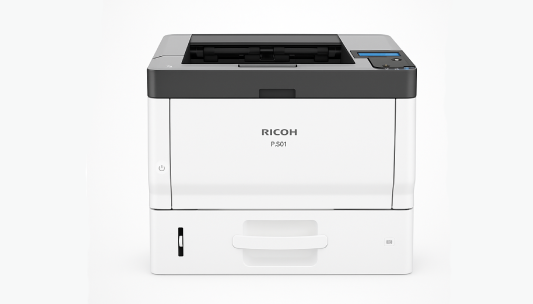
A suitable example of a professional provider is the website Ricoh B027-1346, which offers high-quality printers and services while focusing on sustainability.
The Future of Printing in Germany
Germany's market for sustainable printing technologies is growing rapidly. According to a survey by the market research company Statista, 76% of consumers in Germany prefer sustainable products, which is encouraging companies to rethink their processes and switch to innovative printing technologies.
Market forecastsThe market for environmentally friendly printing is expected to grow by 10 million tons per year until 2025. This is a clear indication that consumers are increasingly paying attention to sustainability, thus forcing companies to intensify their efforts in this area.
Conclusion and outlook on sustainable purchasing decisions
The pursuit of "buying sustainable printing technologies" is not just a trend, but a necessity for environmentally conscious consumers. Satisfaction with purchased products often goes hand in hand with choosing sustainable printing technologies, which help reduce one's ecological footprint. Another example of products that promote sustainability is the Ricoh P C600, which is ideal for environmentally conscious offices.