Future-oriented cybersecurity approaches: Innovative tools for protecting German companies
In an increasingly digital world, companies face the growing challenge of protecting their IT infrastructure and data from cybercriminal activities. The importance of future-oriented cybersecurity cannot be overstated. Companies must develop proactive approaches to defend themselves against increasingly sophisticated attacks.
The need for future-oriented cybersecurity
Cyberattacks are constantly increasing. According to a study by Bitkom, 771,000 German companies have experienced cyberattacks or incidents in the last two years. This alarming result underscores the crucial importance of implementing future-oriented cybersecurity in corporate strategies. But what exactly does that mean?
- Proactive protection: Instead of just reacting to incidents, companies should think proactively and implement security measures before attacks occur.
- Integration of new technologies: Solutions such as artificial intelligence and machine learning offer innovative approaches to threat detection and defense.
- Training of employees: Security training is crucial so that employees can recognize and defuse potential threats.
Innovative tools for improving cybersecurity
In recent years, numerous technological advances have enabled companies to use innovative tools to improve their cybersecurity. Particularly noteworthy are:
- Firewall management systems: These systems control data traffic and protect against unauthorized access.
- Intrusion detection systems (IDS): They monitor network anomalies and can identify potential attacks in real time.
- SIEM solutions (Security Information and Event Management): SIEM tools already aggregate and analyze security data to simplify response.
The role of artificial intelligence in cybersecurity
Artificial intelligence (AI) has established itself as a crucial tool in future-oriented cybersecurity. By using AI, companies can:
- Identifying threats: Machine learning algorithms continuously analyze data patterns to identify irregular activities and security incidents at an early stage.
- Automation of security processes: AI-powered systems can automate many security tasks, saving time and resources.
Case studies of future-oriented cybersecurity solutions
A well-known example is the automotive sector, which is becoming increasingly interconnected online through digitalization. Companies like Volkswagen have already implemented forward-looking cybersecurity measures. Through extensive training and the use of modern technologies, they have sustainably protected their systems.
Another notable example is Deutsche Telekom, which has actively invested in cybersecurity solutions to protect its customers from cyber threats. This commitment has not only strengthened customer trust but has also served as a springboard for innovative security solutions.
Structures and standards for cybersecurity in Germany
In Germany, various legal requirements and standards already exist that promote future-oriented cybersecurity:
- IT Security Act: This law requires increased security measures for critical infrastructure.
- ISO/IEC 27001: An internationally recognized standard that defines requirements for information security management.
Employee training and awareness training
A key aspect of future-oriented cybersecurity is the continuous training and awareness-raising of employees. Human error is often the primary cause of security incidents. Therefore, companies should:
- Raising awareness: Regular training courses and workshops promote employee safety awareness.
- Conduct phishing tests: Simulated attacks help to test and improve the responsiveness of employees.
Future-oriented technologies and their implementation
To effectively implement future-oriented cybersecurity, companies must also invest in new technologies. These include:
- Cloud security: Cloud services must be securely configured and regularly updated.
- Endpoint security: Security solutions that target endpoints protect network connections between employees.
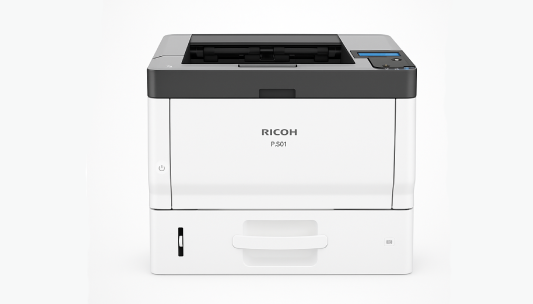
This could involve investing in products, such as the Original Ricoh Toner MP C3502 Yellow or the MFP Ricoh MP 7503 SP, are also considered an internal security feature, as they increase the efficiency of office communication and thus increase the productivity of medical workers in security-relevant tasks.
Collaboration and information exchange
To ensure future-proof cybersecurity, collaboration between companies is crucial. Information-sharing networks, such as the BSIGA (Federal Office for Information Security), facilitate the exchange of threat intelligence and best practices. This type of collaboration not only enhances the security of individual companies but also of the entire industry.
Conclusion
The challenges of cybersecurity are multifaceted and require comprehensive and forward-looking management. By implementing innovative tools, training employees, and sharing information, companies can not only achieve their own goals but also contribute to a secure digital world. Future-oriented cybersecurity is not just an option, but a necessity for any company that wants to succeed in the digital economy.