Innovative design of home offices: Sustainable ergonomics for productive workspaces in Germany
The design of a home office has become increasingly important, especially in Germany, where more and more people are working remotely. A well-thought-out ergonomic design can not only increase productivity but also promote the health and well-being of employees. In this article, we examine the principles of ergonomic home office design, sustainable materials, and various options for device control to create productive workspaces.
The importance of ergonomic home office design
An effective ergonomic home office design is crucial for success in working from home. According to a study by the Techniker Krankenkasse (a German health insurance company), 541,300 office workers suffer from back pain, often due to incorrect posture. An ergonomic design helps reduce these problems and promotes health. Key elements of an ergonomic design include:
- Seating furnitureHeight-adjustable desks and ergonomic chairs are crucial for proper posture.
- lightingAdequate and adjustable lighting is important to avoid eye strain.
- Workplace organizationA well-organized workplace helps to minimize distractions and increase efficiency.
Sustainability in home office design
Sustainable materials and resources not only save money but also protect the environment. When planning your home office, you should consider the following sustainable approaches:
- Recycled materialsFurniture made from recycled wood or metal has a smaller ecological footprint.
- Environmentally friendly paintsUse water-based paints without volatile organic compounds (VOCs) to improve indoor air quality.
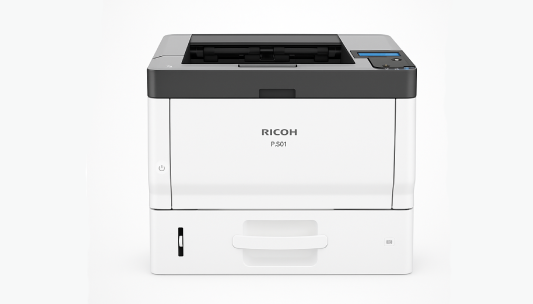
- energy efficiencyUse energy-efficient appliances to reduce electricity consumption. Products such as Ricoh MFP SW printer IM 430F We offer an environmentally friendly solution for your printing needs.
Design elements for an ergonomic home office
There are many design elements to consider when creating an ergonomic workplace. The right furniture, the correct layout, and the room's color scheme can significantly impact productivity.
Furniture selection
Choosing the right furniture is crucial for an ergonomic home office design. Pay attention to:
- Height-adjustable desks that allow you to switch between sitting and standing.
- Ergonomic chairs that support your spine and promote good posture.
- Storage solutions that position your most important items within reachable distance.
Spatial organization
Good spatial organization includes the following points:
- Position the desk in a way that maximizes natural light.
- Minimalist design to avoid distractions.
- Technological gadgets that simplify your work.
Technological innovations for greater efficiency
Modern technologies play a crucial role in creating a productive home office. Ergonomic home office design can be improved through the following technologies:
- Smart home systemsThese systems allow you to control lighting, temperature, and even your office equipment to optimize the environment.
- Ergonomic accessoriesInvest in keyboards and mice that are specifically designed for long-term use.
- Printer: High-quality printers such as the Ricoh Toner MP 3353 ensure that you can print professional documents conveniently and efficiently.
The role of air quality in the home office
Air quality plays a vital role in your productivity. Good ventilation, plants, and air filters can significantly improve indoor air quality.
- PlantHouseplants such as ivy or peace lily can help filter pollutants from the air.
- Air filterInvest in a high-quality air purifier to eliminate allergens and pollutants.
- Regular ventilationOpen the windows for fresh air, especially during working hours.
Flexibility and room design
Flexibility in room design allows you to adapt the workplace to your personal needs:
- Vary your furniture to suit your needs, so you can concentrate better.
- Integrate acoustic panels that reduce noise and promote concentration.
- Create retreat areas with comfortable sofas for taking creative breaks.
Concluding remarks on ergonomic home office design
A well-designed, ergonomic home office not only safeguards the physical and mental health of office workers but also contributes to increased productivity. Responsible design, sustainable choices, and modern technologies are key factors for a future-proof home.
Continuously adapting and reviewing one's workspace is necessary to ensure best practices in ergonomic home office design. Ultimately, this contributes to employees in Germany not only being happy but also able to work efficiently.