Future-oriented printing technologies: Environmentally friendly innovations for the modern home office
In today's digital age, where more and more people are working from home, choosing the right printing technology is becoming increasingly important. A greater focus on Eco-friendly printing technologies offers environmentally friendly options that not only conserve resources but can also lead to significant cost savings.
What are eco-friendly printing technologies?
Eco-printing technologies refer to printing processes that utilize environmentally friendly materials and methods. These technologies aim to reduce the use of harmful chemicals and minimize energy consumption. The most common forms of eco-printing technologies are:
- Water-based inks
- UV printing
- Solvent pressure
- Latex print
Why are environmentally friendly printing technologies important?
In light of the increasingly pressing environmental problems, the use of environmentally friendly printing technologies is not just a trend, but a necessity. The advantages of these technologies are numerous:
- Reduction of chemicals: Eco-friendly printing technologies often use fewer harmful chemicals, which reduces environmental impact.
- Less energy consumption: Many of these printing processes require less energy, which is both cost-saving and environmentally friendly.
- Recyclable materials: Materials that are reusable or recyclable are frequently used.
The impact on the home office
For many people working from home, the need for printed materials remains high. From important documents to creative printing projects, choosing the right printer is crucial. Integration Eco-friendly printing technologies Setting up your home office can improve efficiency and have a positive impact on the environment.
Which printers are ideal for a home office?
Choosing the right printer is crucial for efficiency in a home office. Here are some of the best options available. Eco-friendly printing technologies based:
Laser vs. inkjet printers
A common dilemma when choosing a printer is the decision between laser and inkjet printers. Both types offer advantages that can be relevant for your home office:
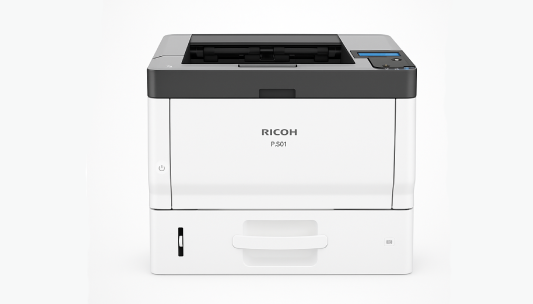
- Laser printer: Ideal for high-speed printing and large volumes. One example is the Ricoh Fusing Unit SP C430DN, which was awarded for its environmentally friendly technology.
- Inkjet printers: These often use water-based inks, making them a more environmentally friendly option. Current models now also offer high speeds and good print quality.
Current products using eco-friendly printing technologies
One outstanding product is the Ricoh B213-3010, which is known for its efficiency and environmental friendliness. Such printers are ideal for daily, recurring printing tasks, offer high print quality and are characterized by a long service life.
Technological innovations and their developments
Developments in printing technologies are rapid. Companies continuously invest in research and development to bring new, environmentally friendly printing methods to market.
- Mixed-media printing: This type of printing combines different materials to achieve creative and environmentally friendly results.
- 3D printing: Increasingly, sustainable materials are being used in manufacturing to conserve resources.
The future of printing technology
Beyond current technologies, we are on the cusp of new developments that could revolutionize the industry. The cross-referencing of digital and physical media will create new opportunities to maximize the efficiency of the printing process while minimizing its environmental footprint.
Statistics on resource use and environmental impacts
According to a study by Smithers Pira, the use of environmentally friendly printing technologies could reduce the printing industry's greenhouse gas emissions by up to 301 TW. This would not only benefit the environment but would also help print service providers save costs by using fewer materials.
Comparison of printing technologies
To choose the best printer for your home office, it's important to compare the different technologies. Here are some key criteria:
| technology | Energy demand | Material usage | Quality |
|---|---|---|---|
| Laser | High | High efficiency | High |
| inkjet | Low | Environmentally friendly inks | Variable |
Case studies on environmentally friendly printing applications
An encouraging example of the application of eco-printing technologies is the EcoPrint initiative, which promotes the use of environmentally friendly printing methods globally. The company successfully reduced its CO2 emissions significantly while simultaneously increasing its revenue by 151,030 tons.
Practical tips for your home office
Consider the following tips to get the most out of your printing technology:
- Choose the printer according to your printing needs. High volumes may require a laser printer.
- Use refillable cartridges or recyclable materials.
- Optimize your printing settings to save energy and reduce waste.
conclusion
Considering all these factors, it becomes clear that Eco-friendly printing technologies These measures are not only beneficial for the environment, but also for individuals and businesses seeking to increase the efficiency and profitability of their printing operations. Through innovative approaches and sustainable practices, we can guide the printing industry toward a greener future.