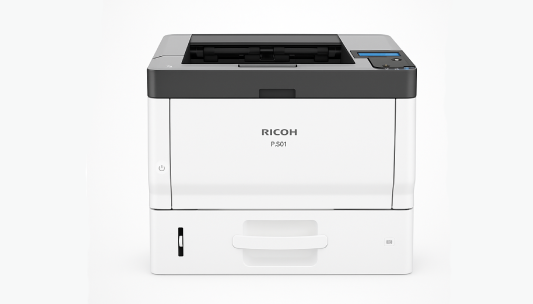
Intelligent printing strategies: Resource-saving approaches for sustainable office management in Germany
In today's business world, the discussion surrounding sustainable practices in the office environment has changed considerably. The use of resource-efficient printing systems plays a particularly crucial role. Companies that integrate environmentally friendly solutions not only benefit from a more positive image but also from long-term cost reductions. A key aspect here is... sustainable printing systems, which use innovative technologies and strategies to minimize resource consumption.
The importance of sustainable printing systems
Besides the obvious environmental benefits, sustainable printing systems also offer economic advantages for businesses. Here are some key aspects regarding the importance of implementing smart printing strategies:
- Cost savings: The use of resource-saving technologies drastically reduces production costs and paper consumption.
- Positive corporate perception: Companies that actively commit to environmental protection improve their image and become more attractive to environmentally conscious customers.
- Legal requirements: Compliance with environmental protection regulations is becoming stricter in many countries, so sustainable printing systems are not just an option, but often a necessity.
- Technological innovation: Advances in printing technology enable companies to use more efficient and environmentally friendly printing solutions.
Strategies for sustainable office management
Simple changes in office management can make a big difference when it comes to printing and the associated resource consumption. Here are some proven strategies for implementing sustainable printing systems:
- Print optimization: Fewer print jobs through digital documentation and effective management can drastically reduce paper consumption. The integration of software solutions that determine printing needs is crucial in this regard.
- Use of recycled paper: Using recycled paper in various printers significantly reduces the ecological footprint. Furthermore, many [organizations/initiatives] support [this/the use of recycled paper]. sustainable printing systems Printing on recycled material without loss of quality.
- Duplex printing: Printing on both sides by default significantly reduces paper consumption and saves resources.
- Automated monitoring: Implementing systems to monitor print volume enables precise control of consumables and helps to avoid incorrect purchases.
Technological solutions for sustainable printing
Choosing the right printing system is of utmost importance. Manufacturers like Ricoh offer a range of options specifically designed for sustainable print management. Ricoh IM C3010A This is an excellent example of how modern printing technologies can be implemented in the office environment. With features such as:
- High energy efficiency: The devices are designed to minimize energy consumption.
- Easy integration into existing systems: The printers can be easily integrated into existing IT infrastructures and offer extensive possibilities for optimizing the printing process.
Case studies: Successful implementation of sustainable printing systems
An excellent example of the successful implementation of sustainable printing systems is Company X, which was able to reduce its operating costs by 30% by introducing modern Ricoh printing solutions. In addition, annual paper consumption was reduced by 20 tons. This was achieved through:
- A strict printing policy that controlled paper consumption.
- The use of the Ricoh IM C3010A printer, which is known for its efficiency.
These measures not only led to cost savings, but also to an improvement in the company's image as an environmentally friendly employer.
Integration of cloud-based printing solutions
Cloud-based printing is revolutionizing the way businesses print and manage their operations. Printing systems that operate in the cloud offer numerous advantages, such as:
- Accessibility: Employees can access and manage print requests from anywhere, increasing flexibility.
- Real-time monitoring: Monitoring tools provide insights into printing behavior and resource consumption, which is crucial for optimization.
- Scalability: Companies can adjust their printing resources as needed without making large investments in new hardware.
By using such technologies, companies can significantly improve their environmental footprint while simultaneously increasing efficiency. Ricoh offers the MP C3503 SP also cloud-enabled printing solutions tailored to the needs of modern businesses.
Impact of sustainable printing solutions on businesses
The introduction of sustainable printing systems has far-reaching effects on the entire company structure. Here are some key results that can be achieved through the use of sustainable printing systems:
- Reducing the CO2 footprint: More efficient printing solutions can significantly reduce CO2 emissions.
- Increasing employee motivation: Environmentally conscious corporate strategies promote employee engagement and satisfaction.
- Competitive advantage: Companies that operate in an environmentally friendly manner can differentiate themselves from their competitors and gain new customers.
A recent study by PricewaterhouseCoopers shows that companies that focus on sustainable practices grow on average 24 % faster than their competitors.
Conclusion
The implementation of sustainable printing systems is not just an option, but a necessity for modern businesses. With the right technology and strategy, the benefits can be enormous, both ecologically and economically. By switching to intelligent printing strategies, companies actively contribute to environmental protection while simultaneously boosting their own efficiency.
Through the use of devices such as the Ricoh IM C3010A or the MP C3503 SP Companies have the opportunity not only to optimize their printing processes, but also to make an active contribution to sustainability.