Introduction to the cybersecurity architecture in Germany
In an increasingly digital world, the Cyber Security Architecture Germany Cybersecurity is of central importance for protecting companies from cyber threats. The challenges companies face are diverse, ranging from simple viruses to complex hacking attempts. To effectively counter these threats, companies must develop and implement innovative approaches.
The need for a robust cybersecurity strategy
Digital transformation has accelerated in recent years. Companies are increasingly reliant on digital technologies to optimize their business processes. However, this has also led to a rise in cyberattacks. According to a study by Bitkom, over 601,000 companies in Germany fell victim to cyberattacks in 2022. This underscores the urgent need for a resilient cybersecurity architecture.
Factors that influence cybersecurity architecture
- Technological innovation: New technologies such as cloud computing, IoT and artificial intelligence offer both opportunities and risks.
- Regulatory requirements: Companies must adhere to strict data protection regulations, such as the GDPR.
- Human Factor: Humans often remain the weakest link in the security chain.
Innovative approaches to cybersecurity architecture
1. Implementation of Zero Trust models
A Zero Trust model This assumes that threats exist both inside and outside the corporate network. Therefore, every request for data access authorization should be verified. Companies must implement this security architecture to prevent unauthorized access.
2. Use of Artificial Intelligence and Machine Learning
Artificial intelligence (AI) and machine learning (ML) can be used to detect and defend against threats in real time. These technologies analyze unusual patterns in data traffic and can proactively respond to potential attacks. One example is the use of AI-powered firewalls that continuously learn and adapt.
3. Training of employees
Raising employee awareness of cybersecurity is essential. Companies should regularly offer training courses and workshops covering best practices and how to recognize phishing attempts. This can help minimize the risk of human error.
Integration of technologies into the cybersecurity architecture
1. Firewall Management
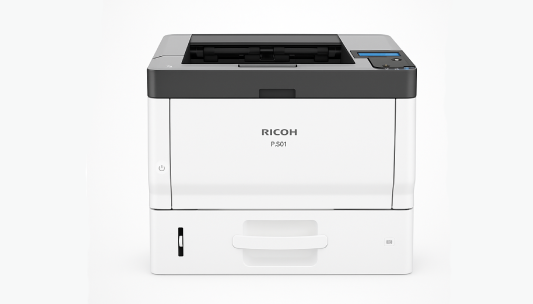
Modern firewall solutions offer advanced security features that enable businesses to protect their networks. Companies should invest in robust solutions to optimize their cybersecurity architecture. One of the recommended solutions is the Ricoh MFP color printer, which can be used for the management of security documents.
2. Intrusion detection systems
Intrusion Detection Systems (IDS) are crucial for monitoring network traffic for suspicious activity. They help identify security incidents early. For businesses, it is essential to integrate IDS into their security architecture.
3. Backend Security
Backend security encompasses all measures taken to protect servers and databases. Companies must ensure that their backend systems are as well protected as their frontend applications.
Evaluation and adaptation of the cybersecurity architecture
Continuous evaluation of the cybersecurity architecture is essential. Companies should conduct regular security audits to identify and close all vulnerabilities. Implementing penetration tests can help uncover potential security gaps.
Case studies of successful approaches
1. Case study: German banks
Several German banks have successfully Zero Trust architectures These banks have implemented measures to strengthen their security. They have revised their access controls and are using multi-factor authentication to prevent unauthorized access.
2. Case study: Medium-sized companies
A medium-sized mechanical engineering company has developed a cybersecurity strategy based on the use of AI-supported analytics. By integrating these technologies, the company was able to reduce cyberattacks by 40%.
Collaboration and external partnerships
An effective cybersecurity architecture often requires external partnerships. Companies should consider working with specialized cybersecurity providers to benefit from their expertise and experience. This can be done by outsourcing security services or by acquiring security solutions.
Technical aspects of cybersecurity architecture
The Cyber Security Architecture Germany It must also take technical aspects into account, such as data encryption and regular software updates. These measures help to minimize the attack surface and increase the security of the systems.
data encryption
Encrypting sensitive data, both at rest and in transit, is a crucial element of cybersecurity architecture. Organizations should implement encryption methods to ensure data is protected in the event of a breach.
Regular software updates
Outdated software versions pose a widespread security risk. Companies must ensure that all systems are regularly updated to close known security gaps. This requires an effective patch management strategy.
Role of infrastructure in cybersecurity architecture
A company's infrastructure plays a central role in its cybersecurity architecture. This includes both physical and virtual components such as servers, databases, and networks.
Physical security
Physical security refers to the protection of the hardware on which the systems run. Security measures such as access controls and monitoring systems are essential to prevent unauthorized access.
Virtual infrastructure
Virtual infrastructure includes cloud services and virtualization platforms. Companies should ensure that these services are properly configured and secured to minimize potential attacks.
conclusion
Developing a resilient cybersecurity architecture in Germany requires innovative approaches and a comprehensive strategy. Companies must be prepared to invest in technology and training to effectively protect themselves against ever-increasing threats. A well-thought-out strategy will help ensure the security and protection of sensitive data.