Sustainable printing strategies for small businesses: Efficient solutions for cost optimization and environmental awareness in Germany
In today's business world, the pursuit of sustainability has become indispensable, especially for small businesses. In Germany, increasing emphasis is being placed on... sustainable printing solutions The goal was to optimize costs while acting in an environmentally conscious manner. This article examines various approaches and strategies that can help small businesses streamline their printing processes and minimize their environmental footprint.
The importance of sustainable printing solutions
The production of printed materials has a significant environmental impact. From deforestation to emissions generated by the printing process, these practices contribute to global warming. According to a study by the German Federal Environment Agency, printing companies in Germany cause approximately 1.5 million tons of CO2 emissions annually. Therefore, it is crucial that small businesses integrate sustainable alternatives into their printing strategies.
- Reducing paper consumption: The use of digital media can significantly reduce the need for printed material.
- Use of recycled paper: Recycled paper reduces the need for new wood resources and lowers the environmental impact.
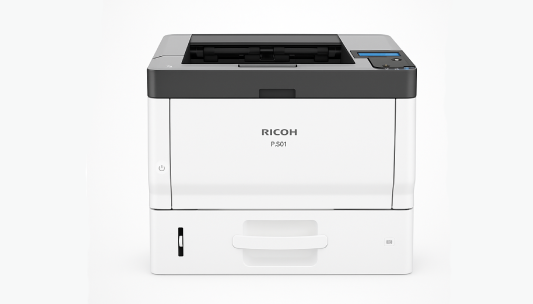
- Energy efficient printers: Modern printers, such as those from Ricoh, offer energy-efficient options that reduce power consumption.
Essential components of sustainable printing strategies
In addition to selecting the right materials, the implementation requires sustainable printing solutions This also includes the optimization of processes and technologies. Here are some important aspects:
Efficient use of printing resources
Using printing software that monitors and analyzes printing costs can help businesses minimize their expenses. Combined with energy-saving features and duplex printing, significant savings can be achieved. Furthermore, small businesses should review their actual printing needs and explore the availability of digital alternatives to reduce their environmental impact.
Choosing the right printer
Choosing a printer is a key aspect of implementing sustainable printing solutionsRicoh offers a range of printers that have integrated environmentally conscious features. A good example is the Original Ricoh D014 9640, which is known for its energy efficiency and offers specific functions to reduce energy consumption.
Advantages of sustainable printing strategies
Implementing sustainable printing strategies offers not only environmental benefits but also financial savings and a positive corporate reputation. Consumers are increasingly environmentally conscious and prefer brands that take responsibility for the environment.
- Cost savings: Reducing paper consumption and using energy-efficient technologies leads to lower operating costs.
- Improved brand perception: Companies that use environmentally friendly practices stand out positively from the competition.
- Regulatory advantages: With the aim of reducing CO2 emissions, Germany has numerous subsidies and regulations that support environmentally friendly practices.
Case studies: Successful implementations in small businesses
To illustrate the advantages of sustainable printing solutions, it is recommended to cite some case studies of small businesses that have already successfully implemented measures:
Example 1: A small advertising agency
An advertising agency in Berlin decided to reduce its paper consumption by increasing its use of digital presentations. In addition, they switched to recycled paper and invested in a Ricoh multifunction printer that allowed them to print on both sides, reducing paper consumption by 30 %.
Example 2: A retail store
A retailer in Hamburg implemented sustainable printing solutions by using only the most energy-efficient printing devices, such as the Ricoh IM C300 selected. This resulted in an energy cost reduction of 25 % within one year.
Integrate sustainable printing strategies
The process of switching to sustainable printing solutions requires detailed planning. Here are some steps companies can take to ensure an effective transition:
- Inventory of current printing practices: Analyze current print consumption to identify weaknesses.
- Setting sustainable goals: Define specific, measurable goals (e.g., reducing paper consumption by 50 % within two years).
- Training of employees: Raise your employees' awareness of sustainable practices and their importance to the company.
Technological innovations in the printing industry
Technology is constantly evolving, and with it, the possibilities for sustainable printing. Companies are increasingly reliant on digital solutions that make the printing process more efficient and environmentally friendly.
- Cloud printing solutions: This allows companies to print documents only when needed, reducing overall consumption.
- 3D printing: This should not be overlooked, as it can reduce the need for materials and transport.
- Intelligent print management: Software solutions for managing the printing process help to optimize resource consumption.
Regulatory framework in Germany
Germany has strict environmental protection regulations that motivate companies to implement sustainable practices. Compliance with these regulations is not only legally required for small businesses, but is also valued by consumers. Furthermore, there are government funding programs that provide financial support to small businesses switching to sustainable technologies.
Investing in sustainable printing solutions This will not only contribute to improved business performance but also promote socially responsible behavior. In a time when companies are seen as part of the solution to environmental problems, implementing sustainable practices is no longer optional but a necessity.
By using environmentally friendly materials, efficient printing technology and educating employees, small businesses in Germany can make a significant difference.