Sustainable Printing 2023: Future-oriented technologies for environmentally friendly and cost-efficient printing solutions in Germany
Today, awareness of environmental issues is growing. Sustainable practices are of particular importance in the printing industry. The use of sustainable printing technologies Sustainable printing plays a crucial role in reducing the ecological footprint. Developing innovative printing solutions enables companies to operate in an environmentally friendly and cost-effective manner. In this article, we will delve deep into the world of sustainable printing and examine the latest trends, technologies, and products.
The state of the printing industry in Germany
Germany has established itself as a pioneer in the transition to environmentally friendly printing solutions. In 2022, an estimated 65% The printing companies in Germany have switched to sustainable practices in some way. This includes the use of recycled paper, bio-based inks, and energy-saving machines.
- Recycled paper: Paper with a high recycled content reduces the need for new wood.
- Bio-based inks: These inks are made from natural raw materials and are less harmful to the environment.
- Energy-efficient machines: The use of modern, energy-saving printing presses significantly reduces electricity consumption.
Innovative printing technologies for 2023
The year 2023 will bring forth many innovative technologies that will change the printing landscape. These technologies are based on the creation of more environmentally friendly processes and materials.
1. Digital printing
Digital printing has established itself as one of the most sustainable printing techniques. Compared to traditional printing methods, such as offset printing, digital printing requires less material and produces less waste. Furthermore, it enables demand-driven production, resulting in less excess stock.
2. 3D printing
3D printing is a groundbreaking technology that makes it possible to manufacture products on demand. This technique not only reduces waste but also enables the use of sustainable materials. Many companies are focusing on biodegradable materials and are strongly committed to their use. sustainable printing technologies.
3. Web-to-Print Solutions
Web-to-print technologies enable companies to place print orders online. These technologies are not only user-friendly, but they also reduce the need for physical catalogs and materials, significantly lowering paper consumption.
Relevant statistics on sustainability in printing
Implementing sustainable printing methods can bring significant benefits. Some impressive statistics include:
- A 30% Reduced paper consumption through the switch to digital solutions.
- Reducing energy consumption by 40% when using energy-efficient printing presses.
- An increase in the recycling rate of printing papers to 75% within five years.
Cost efficiency through sustainable technologies
An often overlooked advantage of the introduction sustainable printing technologies Cost efficiency is key. Companies can achieve significant savings by using environmentally friendly materials and optimizing production processes.
How companies can save costs
- Reduced material consumption: Less waste means lower material costs.
- Lower energy costs: Energy-efficient machines lower electricity bills.
- Optimized supply chains: Digital technologies allow print jobs to be processed faster and more efficiently, which reduces transport costs.
Key products for sustainable printing
When purchasing printed materials, choosing the right products should not be neglected. Popular products on the market that support sustainable practices include, for example:
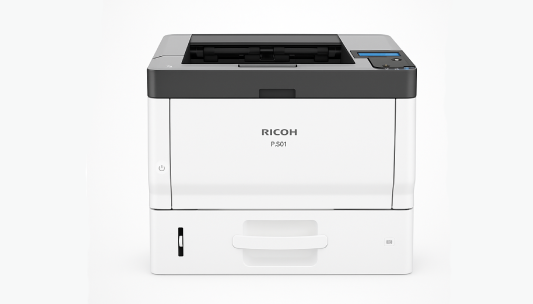
- Original Ricoh B027-1346 – A high-quality printer that offers environmentally friendly features.
- Original Ricoh B023-9510 – Known for its efficiency and sustainability.
Case studies of successful sustainability initiatives
Several companies in Germany have already made significant progress towards sustainable printing technologies. Here are some examples:
1. Company A: Green Printing Company
Company A has completely restructured its printing process to sustainable printing technologies to integrate. By using recycled paper, bio-based inks and energy-efficient printing presses, they were able to reduce their operating costs by 25% lower and at the same time reduce their CO₂ emissions2-Drastically reduce your footprint.
2. Company B: Digital Pioneer
Company B embraced digital printing early on and only offers on-demand production. This has enabled them to minimize their waste and offer customized products to their customers, leading to greater satisfaction.
Legal framework for sustainable printing
In Germany, there are a number of regulations and rules that encourage companies to adopt sustainable practices. These include:
- EU guidelines for waste management: These guidelines provide a clear framework for dealing with recycling and waste prevention.
- Energy Saving Act: Companies are encouraged to improve their energy efficiency and reduce their CO2 emissions.2-to reduce emissions.
The future of sustainable printing
The prospects for sustainable printing are promising. With ongoing innovation and a growing awareness of environmental issues, more companies will switch to sustainable printing. sustainable printing technologies Trends that are likely to gain importance in the coming years include:
- Artificial intelligence in print: AI could help to further optimize processes and minimize material consumption.
- Transparent supply chains: Consumers are increasingly demanding transparency regarding the materials and processes used.
- Integration of renewable energies: Companies could begin to switch entirely to renewable energy to power their production processes.
Conclusion
The year 2023 marks a significant step towards sustainable printing practices. Companies in Germany that focus on sustainable printing technologies By adopting these technologies, companies will benefit from cost savings and an improved image. It's time to actively participate in this green revolution and lead the printing industry into a sustainable future.