Ecological progress in printing: Sustainable technologies for responsible consumers in Germany
The printing industry has made significant progress towards environmental sustainability in recent years. In Germany, where awareness of environmental issues is steadily increasing, sustainable printing technologies play a crucial role. This article examines the various aspects of these technologies, their advantages, and the challenges facing the industry.
The Evolution of Printing Technologies
Traditionally, the printing industry was known for its environmental impact. Paper and printing inks often caused significant waste and harmful emissions. However, in the last two decades, many companies have risen to the challenge of solving these problems through innovative and sustainable printing technologies.
- Digital printing: Reduction of material waste through direct printing without intermediate steps.
- Ecological printing inks: Use of plant-based and biodegradable paints.
- recycled paper: Promoting the use of recycled material to minimize wood consumption.
Advantages of sustainable printing technologies
The use of sustainable printing technologies offers significant advantages. Companies that focus on environmentally responsible practices not only benefit from an improved image but also from economic advantages:
- cost reduction: Less waste and more efficient production processes lead to lower costs.
- Sustainability certifications: Companies can sell their products with environmental labels, which strengthens consumer confidence.
- Market advantage: A growing consumer awareness of sustainability is leading to an increasing demand for environmentally friendly products.
Examples of sustainable printing technologies
Innovative approaches being pursued in the printing industry include:
- UV printing: This technology uses ultraviolet light to dry the ink, thereby reducing the emission of harmful volatile organic compounds (VOCs).
- Water-based inks: The use of water-based paints reduces the use of harmful solvents and contributes to improved air quality.
- Printing presses with lower energy consumption: New machines are more efficient and consume less energy, which further reduces the ecological footprint.
Recycling and circular economy in the printing industry
A key aspect of sustainable printing technologies is recycling. The transition to a circular economy is essential to minimize waste and optimize resource use. In Germany, there are numerous initiatives focused on promoting recycling, which is also important in the printing industry.
Recycled paper is increasingly seen as an environmentally friendly alternative to conventional paper. In fact, using recycled paper can:
- Reduce energy consumption by up to 50%.
- Reduce water consumption by up to 90%.
- Significantly reduce wood consumption.
Challenges in implementing sustainable printing technologies
Despite significant progress, companies in the printing industry face numerous challenges when it comes to fully implementing sustainable printing technologies. The most common challenges include:
- Cost: The transition to sustainable practices may initially require significant investment.
- Acceptance: Some consumers may be hesitant to pay more for sustainable products, even if they are more environmentally friendly.
- Technological limitations: Not all printing technologies are suitable for all applications, which can limit the selection.
Responsible consumers in Germany
Demand for sustainable printing technologies is rising as consumers in Germany increasingly prioritize the environmental friendliness of products. The willingness to invest in high-quality and sustainable printing solutions makes a crucial difference.
Consumers should consider the following points when purchasing printing equipment and materials:
- Environmental certificates: Look for products with appropriate certifications, such as the Blue Angel or the FSC seal.
- Energy efficiency: Choose printers that are energy efficient and have the ENERGY STAR certification.
- Sustainable consumables: Use refillable toner cartridges and recyclable paper.
case studies and real examples
To illustrate the impact of sustainable printing technologies, we look at some companies that have successfully implemented these practices:
A leading printing company in Germany has completed the switch to biodegradable printing inks and recycled paper. Within a year, the company was able to reduce its waste by 351 metric tons while simultaneously lowering operating and material costs.
Another example is a medium-sized company that has opted for digital letterpress printing. This technology has enabled them to save 70% in waste compared to offset printing, which is both ecologically and economically advantageous.
Product range in the field of sustainable printing technologies
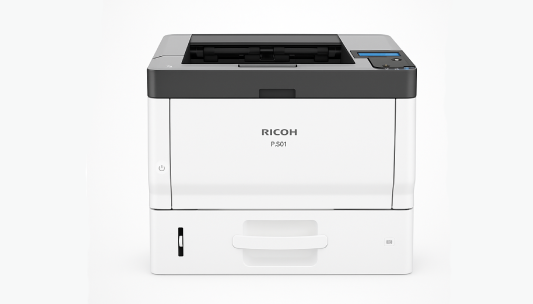
Anyone looking for environmentally friendly printing solutions should take a closer look at the products offered in our online shop for printers in Germany. For example, both the Ricoh IMC4500 as well as the Ricoh B213 Designed for sustainability. These products offer not only high print quality, but also environmentally friendly features that make the printing process efficient.
Conclusion: The path to the future
Sustainable printing technologies are an essential component of the transformation to a more environmentally friendly printing industry. Consumers in Germany have the opportunity to actively contribute to shaping a more sustainable future by choosing eco-friendly products. The integration of technologies such as digital printing, ecological inks, and recycled paper not only reduces the environmental footprint but also fosters economic growth within the industry.