Future-oriented printing: The role of recycling systems and ecodesign in Germany's printing industry
The printing industry in Germany faces significant challenges and, at the same time, tremendous opportunities, particularly due to new trends such as eco-printing systems and sustainable production methods. In an era where environmental awareness and resource conservation are paramount, it is essential that companies in the printing sector focus on innovative approaches. These approaches are not only ecologically sound but also economically viable, fostering future-oriented business practices.
The importance of recycling systems
Recycling systems play a crucial role in the modern printing process. They not only offer a solution for waste reduction but also promote the reuse of materials used in print production. Several systems have been established in Germany to support companies in operating sustainably. Here are some of the advantages of these recycling systems:
- Resource conservation: Recycling reduces the need for new materials, thus conserving natural resources.
- Cost savings: Using recycled materials can reduce production costs.
- Competitiveness: Companies that operate sustainably position themselves positively in the market and specifically target environmentally conscious customers.
Ecodesign in the printing industry
Ecodesign is another key aspect when it comes to promoting future-oriented printing. This approach considers environmental criteria as early as the product development stage, resulting in more environmentally friendly printed products. Ecodesign characteristics include:
- Material selection: The use of environmentally friendly inks and paper.
- Production efficiency: Minimizing energy consumption and waste during the printing process.
- Life cycle analyses: Consideration of the entire life cycle of a product in order to assess its environmental impact.
Case study: Successful implementation of eco-printing systems
A prime example of the successful implementation of eco-printing systems in the German printing industry is the company "Druckerei Müller". By switching to a comprehensive recycling system and integrating eco-design principles, the printing company was not only able to reduce its costs by 301,000 euros, but also significantly lower its CO2 emissions. These measures were complemented by switching to biodegradable inks and recycled paper, which contributed to strengthening its sustainable image.
Technological advances and innovations
Technological advances have contributed to the development of new, more environmentally friendly printing techniques. Many printing companies are now using digital printing systems that operate more efficiently and produce less waste. These systems enable:
- On-demand printing: Production is only carried out when needed, thus avoiding overproduction.
- Reduced production times: Speed and flexibility in making adjustments during the printing process.
- Low material consumption: Digital printing techniques often require less material compared to traditional methods.
The influence of legislation on the printing industry
In Germany, companies are increasingly legally obligated to implement environmentally friendly practices. The EU Directive on Waste Disposal requires manufacturers to promote recycling and reuse. This has a direct impact on the printing industry and encourages it to implement more sustainable methods. Compliance with these regulations not only increases responsibility but also fosters a positive brand image.
Products and companies in the sustainable printing industry
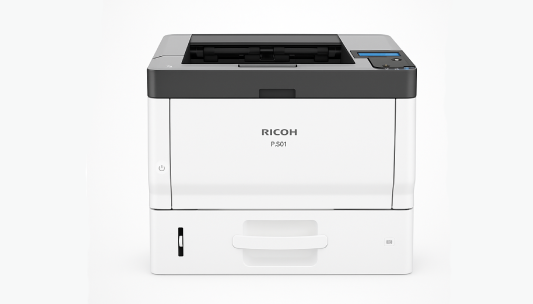
There are numerous products that support the principles of ecodesign and recycling systems. For example, Ricoh with their original MP 5002 Black toner cartridge An environmentally friendly option for companies that value sustainable printing. These products are characterized by their high efficiency and longer lifespan, which in turn reduces waste.
Another powerful product is the Ricoh MP C3503 SP color printer, which is specifically designed to operate in an environmentally friendly manner while simultaneously meeting high demands for print quality. The use of such products contributes to the implementation of eco-printing systems in companies and promotes sustainability.
Conclusion: Groundbreaking approaches for the future
In summary, the responsibility for a sustainable printing industry lies with both manufacturers and consumers. Integrating eco-design and effective recycling systems is key to meeting the challenges of the modern market. The targeted use of environmentally friendly products and innovative technologies not only addresses environmental concerns but is also economically advantageous.
By implementing these forward-looking strategies, the printing industry in Germany can not only minimize its environmental impact but also strengthen its competitiveness in a highly competitive market. Eco-printing systems are more than just a trend; they are the path to the future of the printing industry.