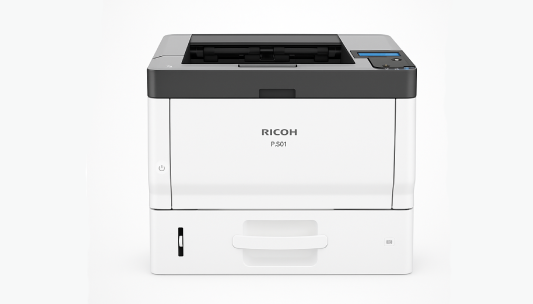
Sustainable printing in the home office: Innovative technologies for resource conservation and increased efficiency
In today's world, sustainability is of paramount importance in almost all areas of life. Especially in home offices, where many people print daily, it's crucial to use sustainable printing technologies. With the right knowledge and technologies, you can not only reduce costs but also protect the environment. This article presents innovative technologies and approaches that will help you print efficiently and conserve resources when working from home.
What are sustainable printing technologies?
The term sustainable printing technologies It encompasses various approaches aimed at minimizing the environmental impact of printing. This can be achieved through the use of environmentally friendly materials, energy-efficient printers, and optimized print job management. Key aspects include:
- use of recycled paper
- Reduction of energy consumption
- Efficient use of ink and toner
- Digital document management to minimize printing costs
Advantages of sustainable printing solutions in the home office
In addition to the ecological benefits, implementing sustainable solutions in the home office also offers economic advantages:
- cost reduction: Significant costs can be reduced through more efficient use of materials and energy.
- Improved efficiency: Modern printing technologies enable faster printing processes and more precise results.
- Positive perception: Companies that focus on sustainability often enjoy a better image and increase customer loyalty.
Innovative technologies for sustainable printing
Today, a variety of technologies exist that support sustainable printing. These technologies play a crucial role in reducing the ecological footprint.
1. Printers with low energy consumption
Energy efficiency is a key factor for sustainable printing. Printers bearing the ENERGY STAR® label often use significantly less energy. These printers can consume up to 501T3T less power compared to conventional devices. One example of an energy-efficient printer is the Ricoh IM 2500 A, which is not only powerful but also environmentally friendly.
2. Color management systems
Color management systems optimize printing, significantly reducing ink consumption. These systems ensure that only the necessary amount of ink is used to achieve the desired colors.
3. Printing technologies using air pressure or UV printing
Modern printers often use technologies that enable solutions with lower ink consumption, such as pneumatic laser printers. This technology uses less ink and thus contributes to resource conservation.
4. Recycling and reuse
One of the simplest ways to protect the environment is to use recycled paper and reuse printing materials. Many modern printers support printing on recycled paper, which significantly reduces the need for virgin paper.
Best practices for sustainable printing in the home office
To make the most of the benefits of sustainable printing technologies, certain best practices should be observed:
1. Optimize print jobs
Reduce the number of print jobs by combining multiple pages onto one sheet. Modern printers often offer the option to print multiple pages in a single layout, which not only saves paper but also reduces ink consumption.
2. Digital document management
Opt for digital document storage and management. Tools like Google Drive or Dropbox allow you to store and share documents electronically, reducing the need for physical printing. This is not only sustainable but also efficient.
3. Use of duplex printing
Activate your printer's duplex printing function to print on both sides of the paper. This reduces paper consumption by up to 50%. Many modern printers, such as the Ricoh IM C300, offer this feature by default.
4. Raising employee awareness
Train your employees working from home on the benefits of sustainable printing methods and how they can actively use them. Thorough training can help raise awareness of resource conservation and sustainably change printing habits.
Statistics and case studies
Several studies confirm the benefits of sustainable printing technologies. According to research by CW Australia, companies implementing digital document management systems can reduce their paper consumption by up to 701,000 tons. This not only leads to cost savings but also to a significant reduction in CO₂ emissions.
A real-world example of implementing sustainable printing solutions is XYZ Company, which switched to digital document management a year ago. Since then, the company has reduced its paper consumption by 601,000 TW. The resulting savings have been reinvested in further sustainability projects within the company.
Summary and Outlook
Integrating sustainable printing technologies into the home office is a key strategy for conserving resources and increasing efficiency. By using the right technologies consciously and consciously, not only can costs be reduced, but the environment can also be protected. Investing in innovative printing solutions and leveraging the possibilities of digital document management is worthwhile to achieve long-term benefits. The future of printing in the home office undoubtedly lies in sustainability.