Innovative approaches for sustainably designed workplaces: Ergonomics and environmental awareness combined
In today's working world, the sustainable workplace design Increasingly, this is becoming the focus of attention. Companies are increasingly relying on concepts that not only promote employee well-being but also implement environmentally friendly practices. These developments are important not only for individual well-being but also for corporate culture and social responsibility.
What is meant by sustainable workplace design?
Sustainable workplace design This refers to the planning and implementation of office spaces that have a positive impact on employee health while also being environmentally friendly. This includes a variety of factors, such as ergonomic furniture, sustainable materials, and environmentally conscious practices. The goal is to create a work environment that promotes productivity and well-being while protecting the environment.
- Ergonomic furniture
- Sustainable materials
- Environmentally conscious practices
- Flexible room design
The importance of ergonomics in the workplace
Ergonomics plays a crucial role in the sustainable workplace designAn ergonomically designed workplace helps minimize physical strain and prevent health problems such as back pain or tendonitis. Statistics show that ergonomic workplaces can increase productivity by up to 15%.
Important aspects of ergonomics include:
- Desks at the correct height
- Adjustable chairs
- Lighting that is easy on the eyes
- Efficient screen work
Environmentally conscious choice of materials
Another key point of the sustainable workplace design The choice of materials is crucial. Increasingly, products made from recycled or sustainable raw materials are coming into play. For example, office furniture can be made from FSC-certified wood or steel, and textiles from recycled plastics.
The advantages include:
- Less resource exploitation
- Reduction of CO2 emissions
- Circular economy promotion
Flexible room design
Flexibility is another aspect that is gaining increasing importance. Designing offices as multifunctional spaces makes it possible to integrate different work styles, from focused individual work to team meetings. This not only promotes productivity but can also contribute to reducing the amount of space required.
Examples of flexible room design include:
- Open-plan offices
- Office niches for undisturbed work
- Meeting rooms with interactive technologies
Cost-benefit analysis of sustainable workplace design
An environmentally friendly office design offers not only ecological but also economic advantages. Cann et al. (2021) found that companies investing in sustainable offices achieve average cost savings of 10 to 15 million euros in operating expenses. These savings result from:
- Lower energy costs
- Increased employee satisfaction and retention
- Engaging employer brand
Adapting the equipment to sustainable technology
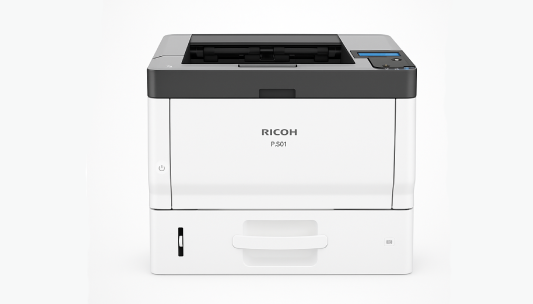
One of the simplest ways to promote a sustainable workplace is to introduce energy-efficient devices and technologies. Printers, scanners, and copiers play a key role in this. Choose highly energy-efficient devices, such as the models you can find here:
- Original Ricoh Toner MP-C3502 Yellow – Ideal for high-quality color prints
- Original Ricoh Toner MP-201 Black – Reliable black and white printing for everyday needs
These devices are not only environmentally friendly, but also offer a variety of functions that can improve workflow.
Collaboration with specialized providers
An important consideration regarding the topic of sustainable workplace design This involves collaborating with specialized providers who focus on ecological and ergonomic solutions. These providers can offer valuable analyses and customized solutions tailored to the specific needs of a company.
In addition, many providers offer training courses and workshops to educate employees on the use of ergonomic equipment and sustainable practices.
Case study: A successful example
A remarkable example of successful sustainable workplace design is Google. Constantly seeking innovative workspaces, Google has designed offices that are not only ergonomically optimized but also highly environmentally friendly. The offices are furnished with sustainably produced furniture and offer employees areas for rest and relaxation, contributing to increased productivity.
The role of employee training
The improvement of sustainable workplace design This requires continuous training and awareness-raising for employees. Workshops on ergonomics or the correct use of equipment can significantly increase efficiency and well-being. Companies must ensure that their employees are not only equipped with the necessary resources, but also know how to use them effectively.
The future of sustainable workplace design
The coming years will be crucial for the further development of sustainable workplace design With the changing demands of the working world, such as working from home and hybrid work models, the flexibility and adaptability of workplaces will be of paramount importance. Companies must find innovative solutions to meet both the needs of their employees and environmental requirements.
Digital technologies offer numerous approaches and help companies work more efficiently and sustainably. Technologies that, for example, monitor energy consumption or intelligently control office environments should be actively integrated into workplace design.
conclusions
The combination of ergonomics and environmental awareness in the sustainable workplace design Sustainability is not just a trend, but a necessary component of modern business management. From an ecological, economic, and social perspective, implementing sustainable approaches offers clear added value. Companies that invest early will not only reduce their operating costs but also become more visible as attractive employers in the market.
With the right equipment, such as energy-efficient printers and furniture made from sustainable materials, every workplace can actively contribute to improving the quality of life of employees while also contributing to sustainability.