Innovative ergonomics in the office: Sustainable design concepts for a healthy and productive working environment
Office work has changed dramatically in recent decades. With the increasing number of hours employees spend in offices, the need for sustainable office ergonomics is becoming ever more apparent. This article provides comprehensive information on innovative ergonomic solutions and workplace design that can promote employee health and boost productivity.
What is sustainable office ergonomics?
Sustainable office ergonomics refers to adapting the work environment to the physical and mental needs of employees without harming the environment. The following aspects play a role here:
- Employee health: Ergonomic furniture and work equipment help to avoid health problems such as back pain and eye strain.
- Environmentally friendly materials: The use of sustainable materials reduces environmental impact.
- Productivity: A well-designed workplace can increase employee efficiency and satisfaction.
The advantages of sustainable office ergonomics
Implementing sustainable office ergonomics offers numerous advantages. For example:
- Reduction in sick days: Ergonomic workplaces can lead to a significant reduction in sick days.
- Increased employee satisfaction: Satisfied employees are more productive and less likely to leave the company.
- Long-term cost savings: Investing in ergonomic solutions can lead to long-term cost savings, for example through lower expenses for sick leave.
Ergonomic furniture: Foundations for a healthy working environment
Ergonomic furniture is a key component of sustainable office ergonomics. Important pieces of furniture that should be present in every modern office include:
- Ergonomic office chairs: These support the body's natural posture and promote blood circulation.
- Height-adjustable desks: They allow you to work while standing or sitting, which increases flexibility and mobility.
- Monitor stand: Properly positioned monitors prevent neck strain.
Examples of innovative solutions in office ergonomics
Some companies are already relying on innovative ergonomic concepts. Examples include:
- The Microsoft Office: Microsoft has designed its offices to give employees the opportunity to move around while working and to take regular breaks.
- Google: Google's offices are not only ergonomically designed, but also sustainably designed to promote the well-being of employees.
Technological innovations in office ergonomics
Technology plays a crucial role in creating ergonomic workplaces. Examples of such technologies include:
- Smart Desk: Height-adjustable desks that automatically adapt to the user's needs.
- Ergonomic software: Software that helps users take regular breaks and pay attention to their posture.
Use of sustainable materials
Selecting the right materials is crucial for implementing sustainable office ergonomics. Companies should pay attention to the following materials:
- Bamboo: A rapidly renewable material that is robust and environmentally friendly.
- Recycled materials: Furniture made from recycled plastic or wood contributes to resource conservation.
- Environmentally friendly paints: These are less harmful to humans and the environment.
The Role of Lighting
Adequate lighting is an often overlooked but important aspect of sustainable office ergonomics. Factors to consider include:
- Natural light: Wherever possible, natural light should be integrated into the office design.
- Flexible lighting systems: Use of dimmers and motion detectors to regulate lighting requirements.
- LED lighting: It is energy-efficient and reduces operating costs.
Case study: The wikifolio office
The company wikifolio has rigorously focused on sustainable office ergonomics in the design of its offices. The most important measures include:
- Height-adjustable tables that allow for a flexible way of working.
- Ergonomic office chairs that make sitting comfortable.
- A wide range of plants that improve air quality.
The results show a 35%ige increase in employee satisfaction and a significant reduction in sick days.
The workplace of the future
A sustainable workplace is further optimized through the integration of innovative elements. Future trends include:
- Flexible workplaces: Multifunctional areas that can be used for both individual and team work.
- Technological integration: The increased use of virtual and augmented reality to improve the working environment.
- Health-promoting initiatives: Regular fitness programs and workshops for employees.
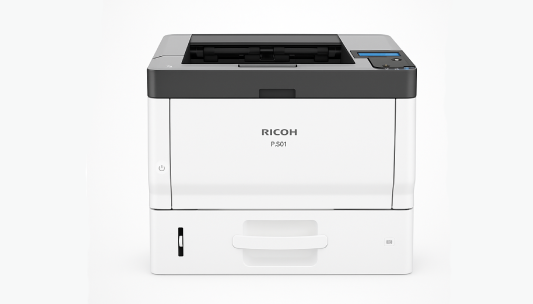
Ergonomics and the role of printers in the office
An often overlooked aspect of office ergonomics is the integration of printers into the workspace. Ergonomic printer positioning can help prevent stress and tension. Some tips include:
- Position the printer so that employees do not have to stretch for long distances.
- Use multifunction printers that utilize space efficiently and meet various requirements.
- Invest in environmentally friendly and energy-efficient printers that support productivity and reduce the ecological footprint.
The following products can be considered for sustainable office solutions:
Original Ricoh Oil Supply Unit High DutyThese compressed printing solutions help to keep printing costs low and increase efficiency.
MFP color printer Ricoh IM 2500AA versatile printer that meets the requirements of the modern office while conserving resources.
Conclusions on sustainable office ergonomics
Implementing sustainable office ergonomics offers not only benefits for employee health, but also significant economic and environmental advantages for companies. Innovative solutions, from ergonomic furniture and flexible workplace design to environmentally friendly materials, can make a major contribution to creating a healthy and productive work environment.
To fully utilize the benefits of sustainable office ergonomics, companies should be prepared to invest in new technologies and concepts to ensure long-term success and employee satisfaction.
The balance between ergonomics and sustainability is key to a healthy and productive work environment that can meet the challenges of the modern workplace. Companies that implement these principles today will have a competitive edge tomorrow.